Temp Mail for Developers: Testing Signup Flows the Easy Way
inbox Me Editorial Team · ·
inbox Me
inbox Me If you build or QA anything with an email-based signup, verification, or notification flow, you've probably burned through a dozen throwaway Gmail accounts at some point. A temporary email address is a faster, cleaner way to test the same flows.
Common testing scenarios
Signup + email verification: generate a fresh address per test run to confirm the verification email fires correctly and the link works. - Password reset flows: verify the reset email arrives promptly and the token behaves correctly (expires, single-use, etc.). - Transactional email templates: check rendering of order confirmations, receipts, or notification emails across real inboxes rather than just a preview tool. - Rate-limiting and abuse checks: confirm your app correctly handles (or intentionally blocks) known disposable-email domains, if that's part of your fraud strategy. - Multi-tenant invite flows: test that invite emails route correctly without needing a pool of real test accounts. inbox Me
Why this beats a personal test account Using your own email for every test run means wading through dozens of test messages mixed with real mail, and often means one identity across every test case — which can hide bugs that only show up with a new user. A fresh temp mail address per test case gives you a clean slate and mirrors what your actual first-time users experience.
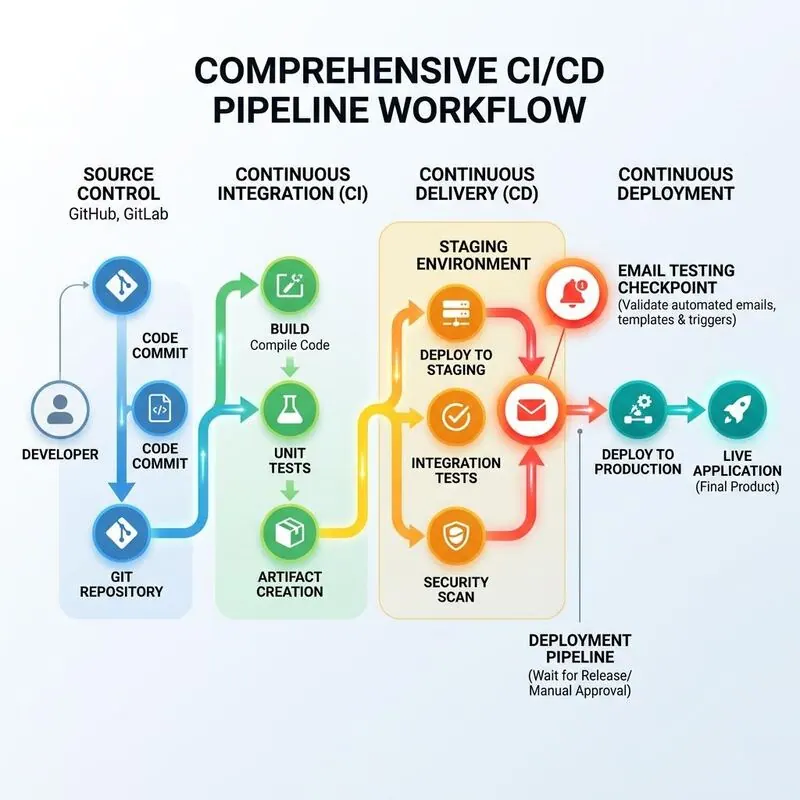
A word of caution for CI pipelines Temp mail is great for manual and exploratory testing, but for automated CI test suites that need deterministic, always-available inboxes, a dedicated email-testing service with a stable API (like Mailtrap or similar) is usually a better long-term fit than scraping a public disposable-inbox UI. Reserve temp mail for the manual QA and one-off debugging use cases where speed matters more than automation. inbox Me Need an address right now to test a signup flow? Generate one instantly — no account required.
Frequently asked questions
What can developers test with temp mail?
Signup and verification emails, password-reset flows and transactional templates — a fresh address per run mirrors what a first-time user sees.
Why is a fresh temp address better than a personal test account?
It gives each test case a clean slate instead of one identity across every run, and keeps test mail out of your real inbox.
Should CI pipelines use temp mail?
No. Automated suites need deterministic, always-available inboxes, so use a dedicated email-testing service with a stable API and keep temp mail for manual QA.