The History and Evolution of Disposable Email Services
inbox Me Editorial Team · ·
inbox Me
inbox Me Disposable email is often treated as a niche modern tool, but the idea is nearly as old as spam itself — a direct response to email marketing becoming aggressive enough that people needed a buffer.
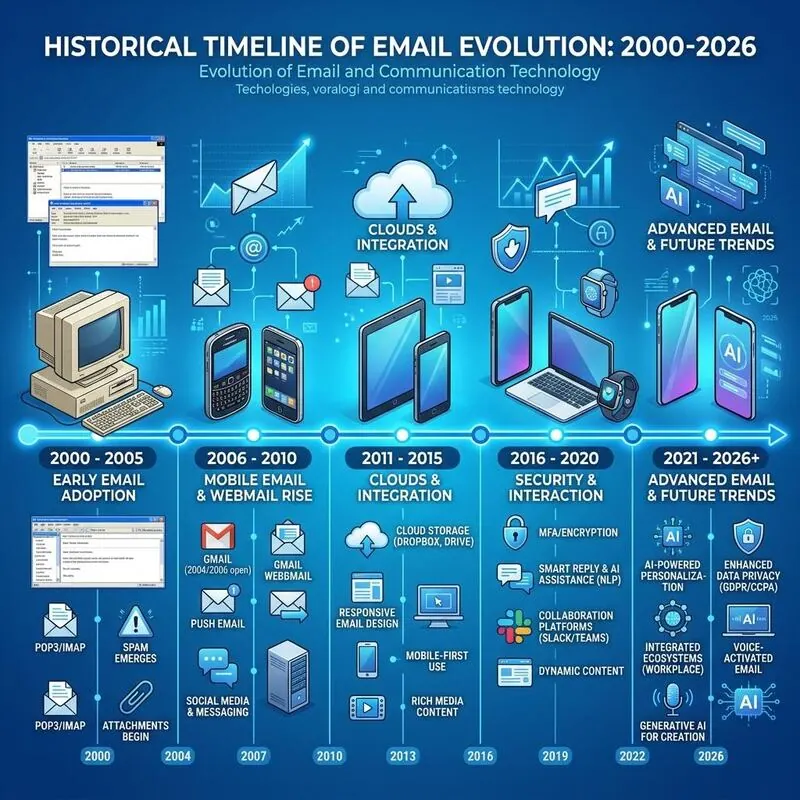
The early 2000s: spam becomes a mainstream problem As email adoption exploded in the late 1990s and early 2000s, so did unsolicited marketing email. By the mid-2000s, spam made up the majority of global email traffic. The first disposable-inbox services emerged directly in response — simple, often ad-supported websites that generated a random address good for receiving a handful of messages before expiring. inbox Me
The mid-2010s: verification culture drives new demand As more services shifted from "just give us your email" to mandatory email verification for basic access — forums, free downloads, Wi-Fi portals — disposable email usage shifted from purely "spam avoidance" to "verification without commitment." This is roughly when today's most recognizable providers (Temp-Mail, Guerrilla Mail, and similar) grew into their current form: instant address generation, live inbox views, and no registration.
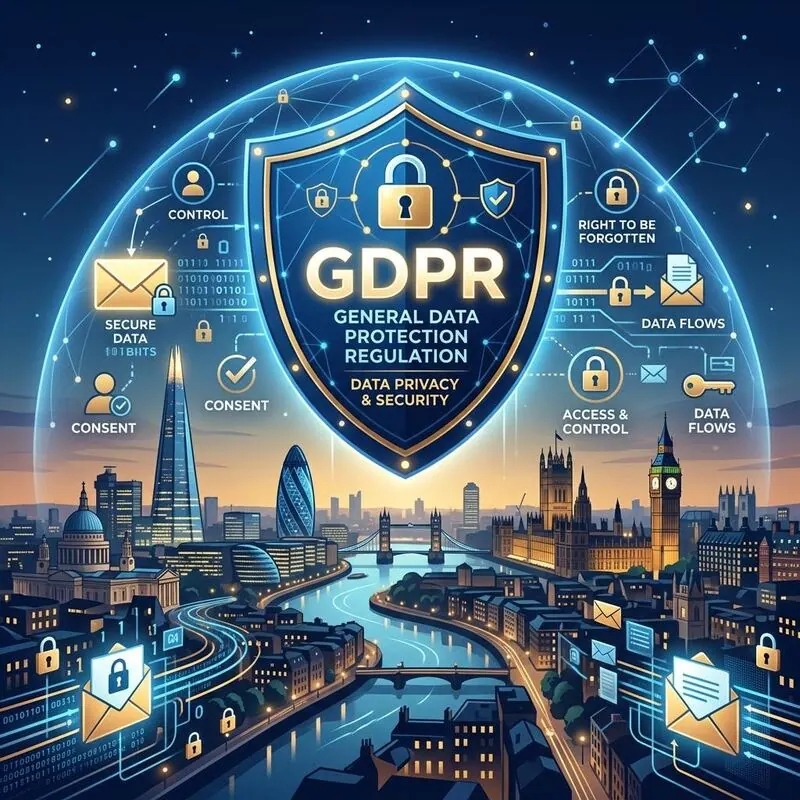
The 2020s: privacy regulation and mainstream awareness GDPR, CCPA, and a steady stream of high-profile data breaches pushed privacy-consciousness into the mainstream. Disposable email stopped being a niche "power user" trick and became a commonly recommended privacy hygiene habit, alongside password managers and 2FA. Modern services like inbox Me reflect that shift — built around speed and simplicity rather than obscure workarounds. inbox Me
Where it's headed As identity verification gets stricter across the web (more services requiring phone numbers, CAPTCHAs, and behavioral checks alongside email), disposable email's role is narrowing toward its strongest use case: short-lived, low-stakes verification — not a general-purpose anonymity tool. That's exactly the niche where it remains genuinely useful today.
Frequently asked questions
When did disposable email services first appear?
In the early 2000s, as spam became a mainstream problem and unsolicited marketing email exploded. The first services were simple, often ad-supported sites.
What drove the second wave of growth in the mid-2010s?
Mandatory email verification for basic access — forums, free downloads, Wi-Fi portals — turned temp mail from pure spam avoidance into verification without commitment.
Where is disposable email heading?
Its role is narrowing toward short-lived, low-stakes verification rather than general-purpose anonymity, as identity checks across the web get stricter.